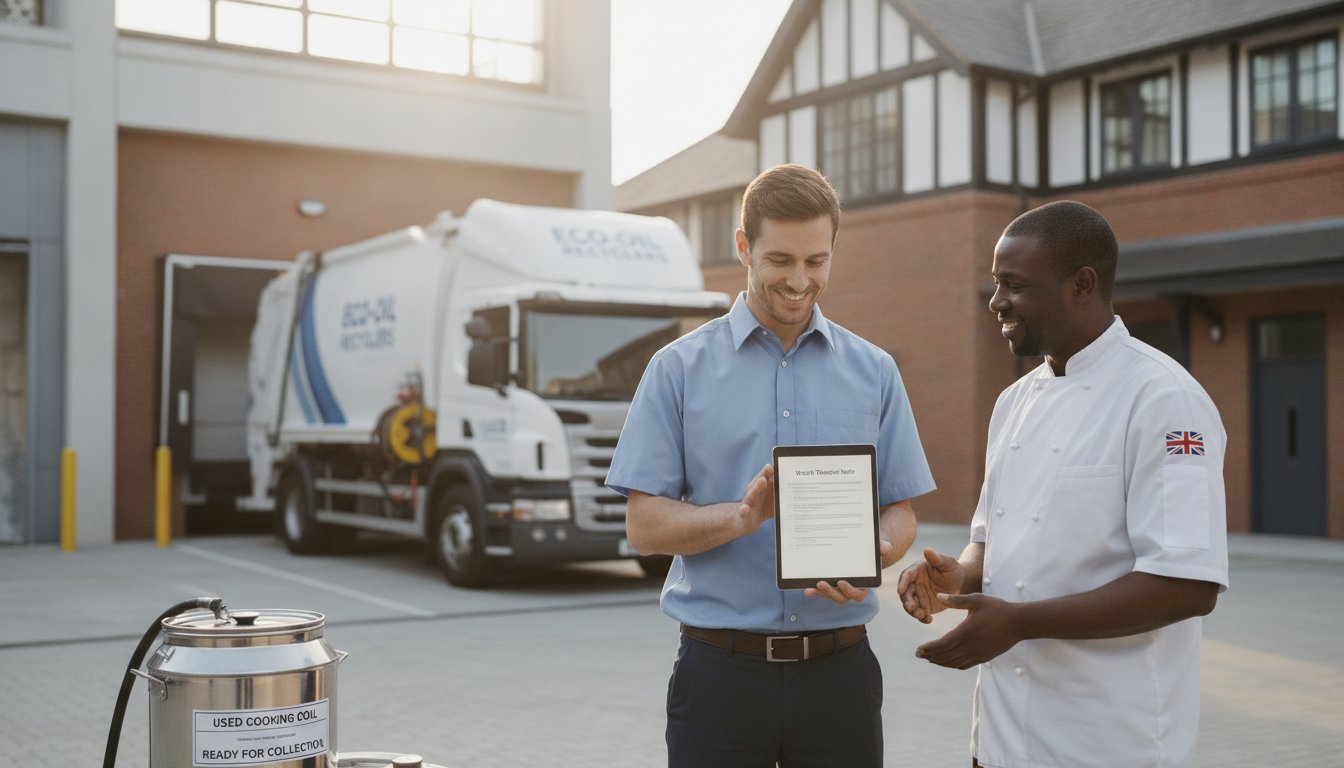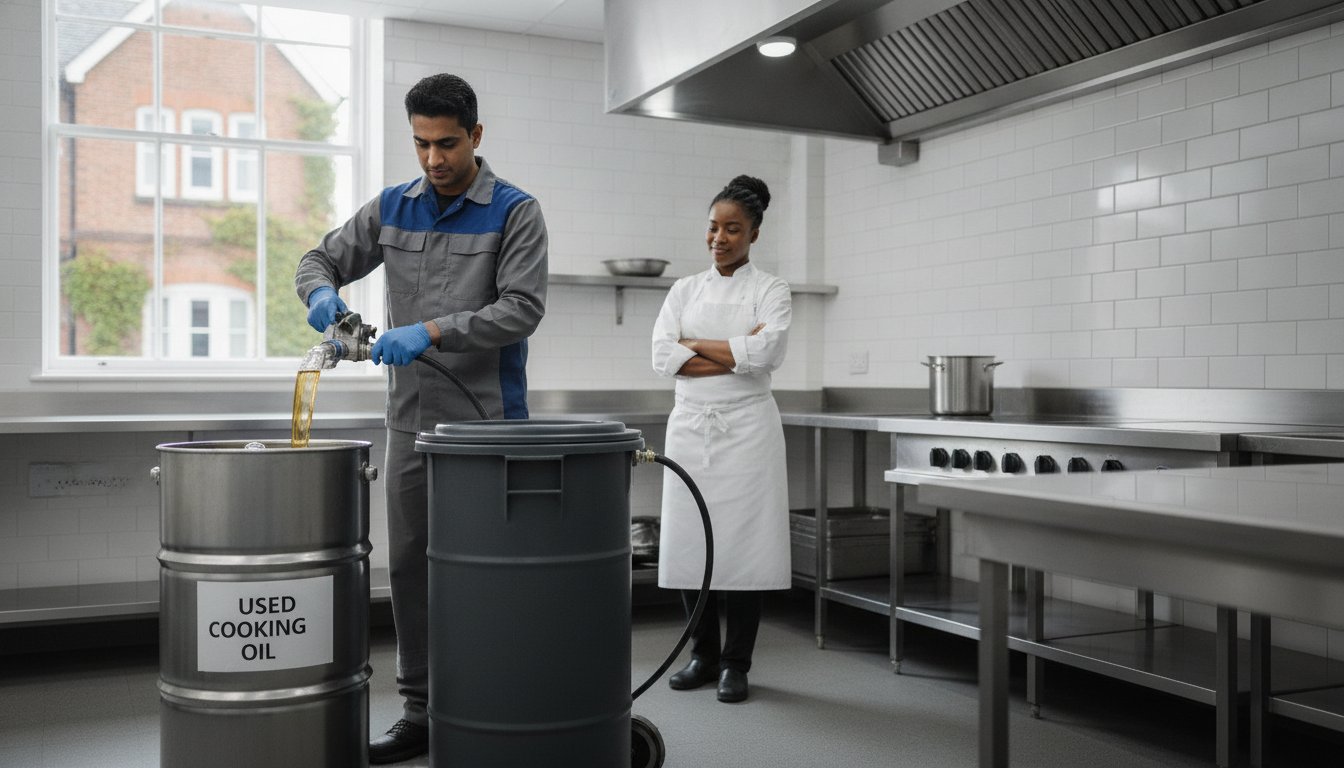
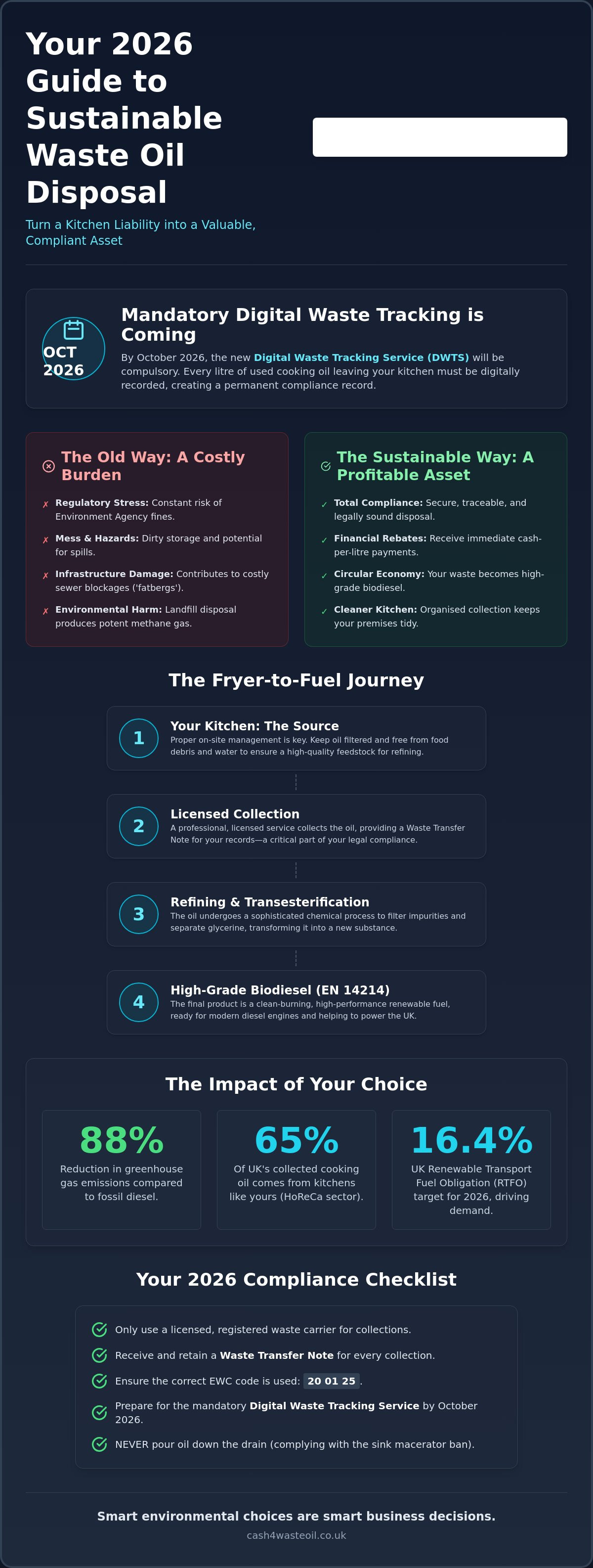
Did you know that by October 2026, the new Digital Waste Tracking Service (DWTS) will make every litre of oil leaving your kitchen a matter of permanent digital record? For most UK operators, managing used cooking oil feels like an endless cycle of regulatory stress, messy storage, and the constant threat of Environment Agency fines. It's a logistical headache that often costs you time and money. However, sustainable waste oil disposal shouldn't be a burden. When handled correctly, your kitchen waste becomes a valuable resource for the circular economy rather than just another operational cost.
We've created this 2026 guide to help you stay ahead of the curve and turn compliance into a competitive advantage. You'll discover how to navigate the latest legal requirements, including the mandatory use of EWC code 20 01 25 and the impact of the recent ban on sink macerators. We'll show you how to secure total legal compliance whilst maintaining a cleaner kitchen environment and unlocking financial rebates that boost your bottom line. It's time to stop worrying about drain blockages and start seeing your waste oil as a smart, profitable business asset.
Key Takeaways
- Understand your legal obligations, including mandatory Waste Transfer Notes and the upcoming 2026 digital tracking requirements.
- Learn how to convert a messy waste stream into immediate cash-per-litre payments to help offset rising kitchen overheads.
- Discover the mechanics of the circular economy and how your filtered oil is transformed into high-grade biodiesel.
- Implement a strategy for sustainable waste oil disposal that ensures total regulatory compliance whilst protecting your local environment.
- Get practical advice on organising a hassle-free collection service that fits the fast-paced rhythm of your London or South East business.
What is Sustainable Waste Oil Disposal?
In the fast-paced environment of a professional kitchen, oil is often viewed as a messy byproduct to be managed. However, sustainable waste oil disposal is the deliberate process of recovering and repurposing used cooking oil to prevent environmental damage and support renewable energy production. It involves moving away from the "out of sight, out of mind" mentality that led to the creation of massive fatbergs in our sewers; instead, it treats yellow grease as a valuable commodity. By 2026, sustainability in the kitchen means more than just avoiding a blocked sink; it requires a documented, traceable journey from the deep fat fryer to the fuel tank.
Traditional disposal methods have historically caused significant strain on UK infrastructure. When oil enters the drainage system, it solidifies and combines with other non-biodegradable items, leading to costly blockages and water contamination. Even disposing of oil in general landfill is a missed opportunity, as it decomposes to produce methane, a potent greenhouse gas. True sustainability ensures that every drop of liquid waste is captured, filtered, and redirected into a system where it can do the most good.
The Waste Hierarchy: From Prevention to Recovery
The UK government's waste hierarchy provides a clear framework for how businesses should handle their outputs. At the top sits prevention, but since commercial frying necessitates waste, the focus shifts to recovery. Recovery is the most sustainable path for used vegetable oil because it allows the material to be chemically transformed into high-grade biodiesel. This process meets the EN 14214 standard, ensuring the fuel is safe for modern diesel engines. Avoiding the lowest tier, disposal without energy recovery, is a legal and ethical priority for modern operators who want to minimise their carbon footprint.
Why Commercial Kitchens are the Frontline
Commercial kitchens in London, Kent, and Surrey are the primary drivers of the UK's circular economy. With the HoReCa sector accounting for 65% of all collected used cooking oil in 2025, individual pubs and restaurants are no longer just waste producers. You are now essential contributors to national energy security. By choosing sustainable waste oil disposal, your business helps reduce greenhouse gas emissions by up to 88% compared to traditional fossil fuels. It's a shift in perspective that turns a greasy liability into a renewable energy asset, proving that smart environmental choices and smart business decisions are one and the same.
The Fryer-to-Fuel Journey: How the Circular Economy Works
The transition from a deep fat fryer to a vehicle's fuel tank is a sophisticated chemical process that exemplifies the circular economy. This journey begins right in your kitchen. Whilst many operators view spent oil as a nuisance, it's actually the feedstock for a high-value manufacturing chain. The quality of the final fuel depends heavily on the initial collection. Sustainable waste oil disposal starts with proper on-site management; keeping your oil filtered and free from food debris or water contamination ensures a higher yield during refining. This attention to detail at the source is what makes Waste Cooking Oil Recycling so effective in the UK.
Once collected, the oil undergoes a process called transesterification. This involves filtering out microscopic impurities and reacting the oil with an alcohol and a catalyst. This reaction separates the glycerine from the fatty acids, resulting in a fuel that meets the strict EN 14214 standard. This isn't just "filtered oil" being poured into a tank; it's a chemically distinct, high-performance fuel. If you're wondering about the specifics of what makes oil suitable for this process, you can read more about used cooking oil for biodiesel requirements. Ensuring your kitchen meets these standards is the first step toward a smoother collection experience.
From Waste Oil to Bio-diesel
Biodiesel is a renewable, clean-burning alternative to fossil-based diesel that is produced entirely from organic waste like vegetable oils. By 2026, the UK's Renewable Transport Fuel Obligation (RTFO) has set a total obligation of 16.415%, creating a massive demand for waste-derived fuels. Converting your waste into biodiesel can reduce greenhouse gas emissions by up to 88% compared to mineral diesel. It's a pragmatic way to support national environmental targets while clearing space in your storage area. If you want to see how easy it is to start this process, you can arrange your cooking oil collection today.
Reducing Your Restaurant’s Carbon Footprint
Every litre of oil you recycle helps offset the broader carbon footprint of your kitchen operations. Traceability is becoming a non-negotiable part of the hospitality industry, especially with the mandatory Digital Waste Tracking Service (DWTS) rollout scheduled for October 2026. By using a licensed carrier, you ensure your oil's journey is fully documented, providing proof of your contribution to the circular economy. Understanding the environmental impact of recycling cooking oil helps you communicate your green credentials to eco-conscious customers, turning a back-of-house necessity into a front-of-house marketing strength.
Compliance and Legal Obligations for UK Kitchens
In the UK, your responsibility for waste oil doesn't end when the drums leave your premises. Under the "Duty of Care" legislation, commercial kitchens are legally responsible for their waste until it reaches a fully authorised disposal or recovery site. If an unlicensed collector fly-tips your spent oil in a Kent country lane or pours it down a London drain, the Environment Agency (EA) will hold your business accountable. This makes sustainable waste oil disposal as much a matter of legal protection as it is an environmental choice. Following the UK government rules for waste cooking oil is the only way to safeguard your business from heavy fines and potential prosecution.
Inspectors are increasingly vigilant in 2026. They'll look for evidence that you're managing fats, oils, and grease (FOG) correctly to prevent sewer blockages. Using "cowboy" collectors might seem like an easy fix, but these operators often lack the necessary permits and insurance. If you can't prove where your oil went, you're in breach of the law. Professionalism in your waste management is a non-negotiable part of running a modern hospitality business.
The Waste Transfer Note (WTN) Explained
Every single time oil is collected from your kitchen, you must receive a Waste Transfer Note (WTN). This document is your legal proof of compliance. A valid WTN must include the correct European Waste Catalogue (EWC) code, which is 20 01 25 for used cooking oil. It should also detail the quantity of oil, the date of transfer, and the names and addresses of both parties. You are legally required to store these records for a minimum of two years. To ensure you've covered every base, check our commercial kitchen oil disposal checklist for a full breakdown of audit requirements.
Choosing an Environment Agency Registered Collector
Don't take a collector's word for their legitimacy. Always verify that your chosen partner is an Environment Agency registered waste carrier. You can check this easily on the government's public register. A legitimate service will always provide a WTN on-site during the collection. Remember, "free" collection isn't a bargain if it doesn't come with the correct paperwork. The risks of illegal disposal include significant financial penalties and irreversible damage to your brand's reputation. By choosing a licensed partner in Surrey, Kent, or London, you ensure your sustainable waste oil disposal is fully transparent and legally sound.
The Financial Benefits of Sustainable Behaviour
Sustainable waste oil disposal isn't just an environmental box-ticking exercise; it's a direct injection of liquidity into your business. In a climate of rising energy bills and fluctuating ingredient costs, every pound counts. Traditional waste management often involves paying for disposal services. However, used cooking oil is a valuable commodity in the 2026 market. Instead of an invoice, you should be receiving a payment. By switching to a "Cash on Collection" model, you turn a greasy byproduct into immediate working capital that hits your till the moment the oil leaves your kitchen.
Beyond the direct payment, there are significant indirect savings to consider. Neglecting your oil disposal leads to fatbergs and grease trap overflows. These issues result in emergency call-out fees for drainage contractors, which often cost hundreds of pounds. By maintaining a disciplined, professional collection schedule, you avoid these preventable expenses and keep your kitchen running without interruption. It's about protecting your margin by eliminating the hidden costs of poor waste management.
Cash for Waste Oil: How Rebates are Calculated
The value of your waste oil depends on several key factors. Purity is paramount. Oil that has been well-filtered and kept free from food scraps or excess water commands a higher value because it requires less intensive processing at the refinery. The type of oil also matters; vegetable oils like Rapeseed or Sunflower are generally more sought after than animal-based fats due to their higher yield during the biodiesel production process.
Volume also plays a role. Whilst smaller collections are still valuable, larger, consolidated volumes often attract better rates. On-the-spot cash payments provide a level of transparency that monthly invoicing simply cannot match. You know exactly what you've earned before the collection vehicle even leaves your premises. This immediate reward reinforces the value of your team's efforts in maintaining a clean, sustainable kitchen.
Operational Efficiency in the Kitchen
Organising regular collections does more than just balance the books; it organises your workspace. Spent oil drums take up valuable floor space, creating clutter and hygiene risks. Removing this waste promptly reduces the risk of pest infestations and unpleasant odours. It also significantly improves kitchen safety. Old oil is a major slip hazard and a potential fire risk if stored incorrectly or left in overcrowded containers.
Freeing up your staff from the logistics of waste management allows them to focus on service and food quality. When you partner with a reliable collector, you don't have to spend time chasing unreturned calls or managing complex disposal manifests. If you are ready to turn your waste into a resource, you can get cash for your waste oil today.
How to Organise Sustainable Collection in London and the South East
Organising sustainable waste oil disposal shouldn't feel like a logistical puzzle. The first step is identifying a partner whose capacity matches your kitchen's output. If you run a high-volume restaurant in the West End, you'll need a different frequency than a small boutique cafe in Kent. A good partner will work with you to establish a collection rhythm that prevents storage overflows without cluttering your workspace. They should provide the correct storage containers and advise on the best placement to ensure safety and ease of access for their vehicles.
Preparation is key to a smooth transaction. Always let your oil cool completely before transferring it to drums. Use a simple mesh filter to remove large food particles; this small step ensures your oil is high-quality and ready for the transesterification process we discussed earlier. Ensure your storage area is clear and accessible. When the collector arrives, verify their Environment Agency credentials on the spot. A professional service will always have their waste carrier license ready and will never leave without providing a physical or digital Waste Transfer Note.
Local Expertise: London, Kent, and Surrey
Logistics in the capital require a specific type of local knowledge. National firms often struggle with the unpredictable nature of London's traffic and the strict access windows in areas like Soho or Camden. Local collectors are far more reliable amongst the congestion of Greater London and the surrounding counties of Kent and Surrey. They understand the local road networks and can adjust their routes in real-time to ensure they meet your scheduled slot. For more specific details on navigating the capital's regulations, see our cooking oil recycling London guide.
The Cash 4 Waste Oil Advantage
We've built our service to be the most pragmatic and rewarding choice for commercial kitchens across the South East. Our commitment to the circular economy means we don't just "take away" your waste; we ensure it's recovered responsibly while putting money back into your pocket. We skip the delay of monthly invoicing and bank transfers. Instead, we offer immediate cash payments per litre the moment we collect your oil. This provides instant liquidity for your business and a clear, transparent record of the transaction.
Booking your first collection is a hassle-free process. We provide the Waste Transfer Note on-site, ensuring you stay 100% compliant with the latest Environment Agency standards. It's time to stop treating your spent oil as a burden and start seeing it as a revenue stream. Contact Cash 4 Waste Oil for your free collection and cash rebate today and join the hundreds of local businesses already profiting from sustainable waste oil disposal.
Future-Proof Your Kitchen with Smarter Waste Management
The landscape of commercial catering in 2026 demands a shift from passive disposal to active resource recovery. By now, you understand that sustainable waste oil disposal is the most efficient way to protect your business from Environment Agency penalties whilst simultaneously boosting your bottom line. You've seen how spent oil fuels the UK's circular economy and how immediate cash payments can offset rising operational costs. Transitioning to a professional collection service isn't just about cleaning up a mess; it's about future-proofing your operations against stricter digital tracking regulations.
Don't let your waste oil become a logistical burden or a regulatory risk. Partnering with a specialist ensures your kitchen remains safe, clean, and fully compliant. As an Environment Agency registered and fully licensed carrier, we provide the peace of mind you need to focus on running a successful kitchen. We'll handle the paperwork and the heavy lifting, leaving you with a safer workspace and instant cash in the till.
Get a free collection and cash for your waste oil today and benefit from immediate cash payments on collection and fully compliant Waste Transfer Notes. It's the smartest business decision you'll make this week.
Frequently Asked Questions
Is sustainable waste oil disposal more expensive for my business?
No, sustainable waste oil disposal is actually a revenue stream rather than an expense. Unlike general waste services that charge for collection, professional oil recyclers pay you for your used product. You receive immediate cash per litre, which helps offset rising kitchen overheads. By using a licensed service, you also avoid the risk of heavy Environment Agency fines and the high costs of emergency drain repairs caused by grease blockages.
What types of cooking oil can be recycled into bio-diesel?
Most liquid vegetable oils used in professional frying are ideal for recycling. This includes rapeseed, sunflower, corn, and soy oils. These vegetable-based oils are highly valued because they produce a high yield of fuel during the refining process. Whilst animal fats like lard or beef dripping can technically be recovered, pure vegetable oils are the preferred feedstock for high-grade biodiesel that meets the EN 14214 standard.
How do I get a Waste Transfer Note for my restaurant?
You obtain a Waste Transfer Note (WTN) directly from your licensed waste carrier at the moment of collection. A professional service provides this document on-site, ensuring it contains the mandatory EWC code 20 01 25 and the correct volume of oil collected. You are legally required to store these notes for at least two years to prove your compliance during any official health or environmental inspections.
Can I get paid for my waste cooking oil in London?
Yes, you can receive immediate cash payments for your waste oil throughout London, Kent, and Surrey. Professional collectors pay per litre for commercial quantities, providing your business with instant liquidity. This "cash on collection" model is a transparent way to ensure you're getting a fair market rate for your resource without the delay of monthly bank transfers or the administrative burden of complex invoicing cycles.
What happens if I pour used cooking oil down the kitchen drain?
Pouring oil down the drain causes severe blockages and contributes to the formation of fatbergs in the UK's sewer system. This behaviour is illegal and can lead to significant fines and prosecution by the Environment Agency. Beyond the legal risks, you'll likely face expensive emergency plumbing bills to clear internal blockages. It also causes environmental damage by contaminating local watercourses and disrupting wastewater treatment processes.
Do you collect waste oil from residential households?
No, we do not provide collection services for residential households. Our operations are dedicated to the commercial sector, specifically serving the high-volume needs of restaurants, pubs, and catering businesses. Residential users should check with their local council to find the nearest household waste recycling centre that accepts used cooking oil. We focus on providing the professional documentation and rapid service required by the hospitality industry.
How often should a commercial kitchen have its waste oil collected?
The frequency of collection depends on your oil usage and available storage space. High-volume kitchens often require weekly pickups to maintain hygiene standards and prevent storage areas from becoming overcrowded. Smaller establishments may find a fortnightly or monthly schedule more appropriate. A reliable collector will help you establish a regular rhythm that prevents oil from becoming a fire hazard whilst ensuring you always have space for fresh deliveries.
Is bio-diesel made from waste oil actually better for the environment?
Yes, biodiesel produced from used cooking oil is a significantly cleaner alternative to traditional fossil fuels. It can reduce greenhouse gas emissions by up to 88% compared to mineral diesel. Because it's made from a waste product, it doesn't require the dedicated land use associated with crop-based biofuels. Recycling your oil ensures that a greasy waste product is diverted from the drainage system and transformed into a renewable energy source.