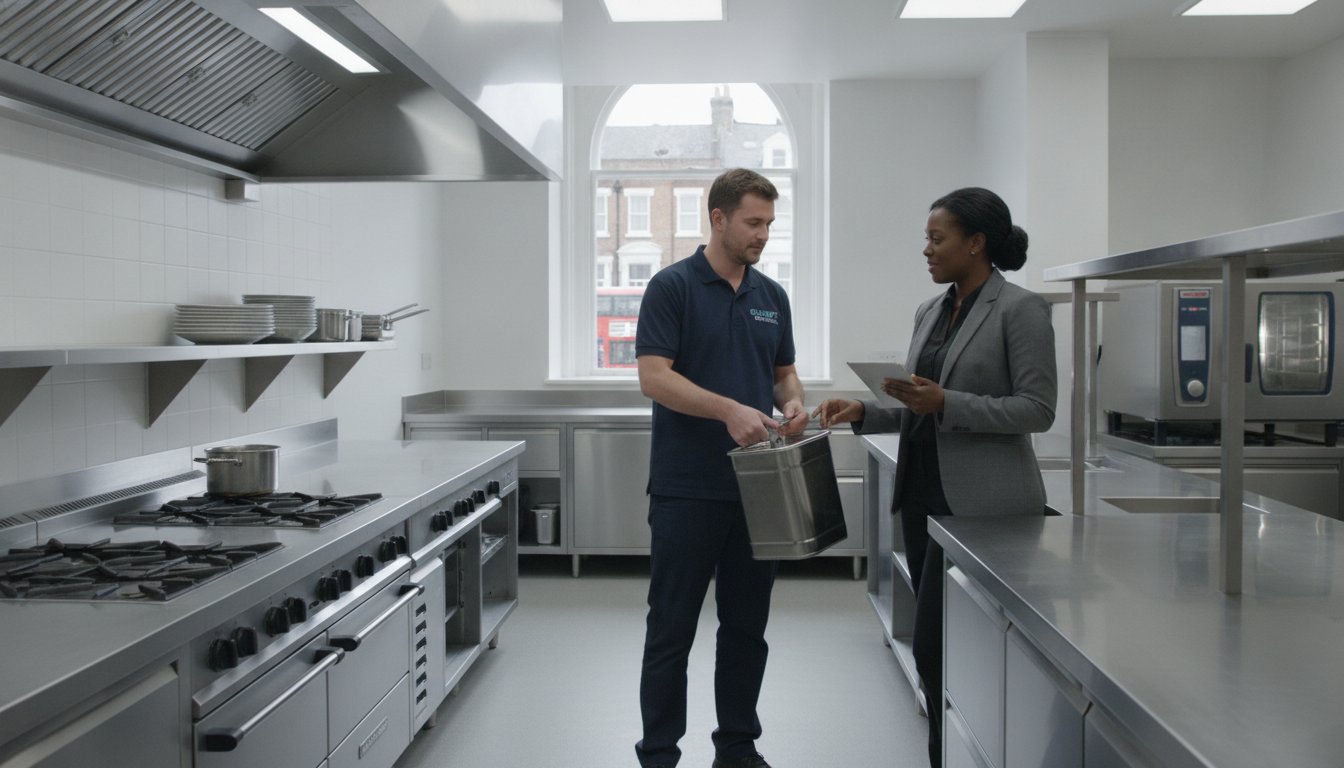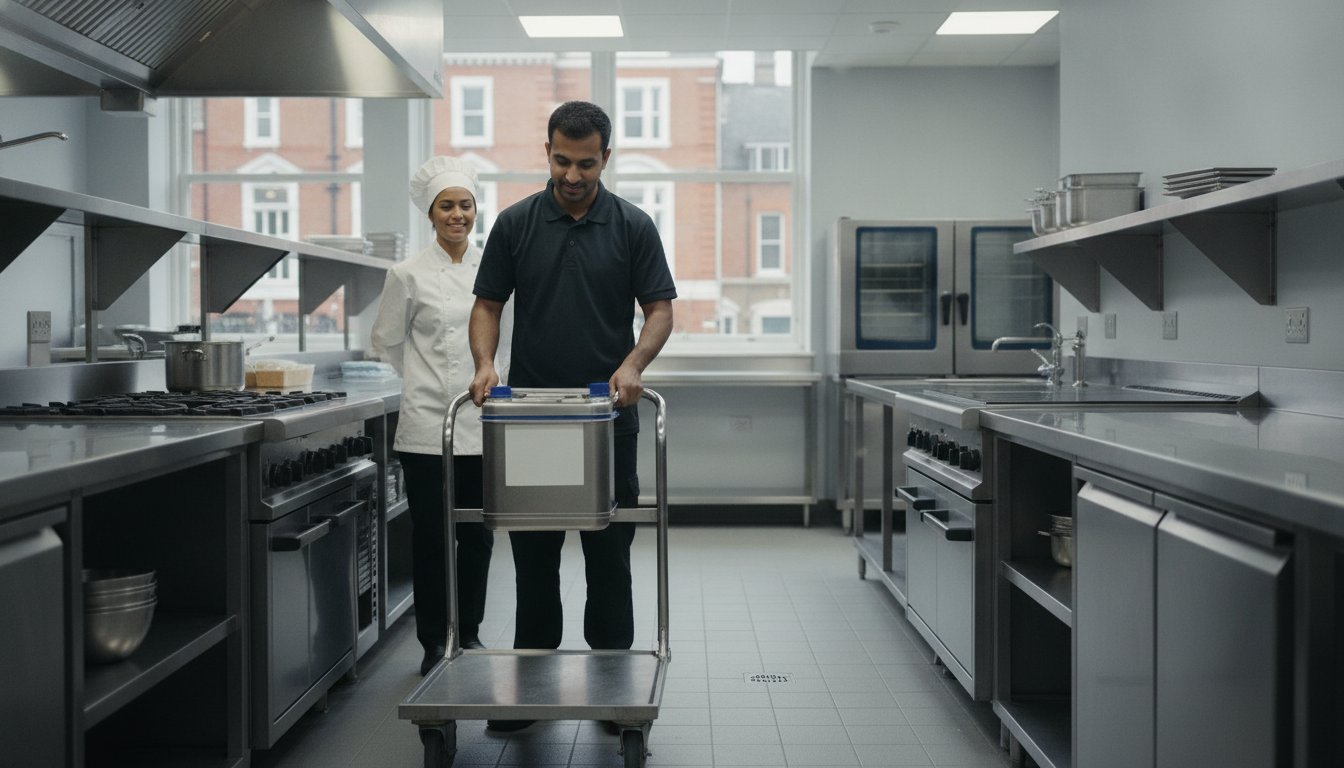
Your kitchen's waste oil isn't just a disposal headache; it's a dormant revenue stream that many businesses are literally pouring away. Most chefs see old oil as a messy chore that clutters the floor and risks heavy Environment Agency fines, but the reality is that your waste has a significant market value. If you're currently asking who collects used cooking oil in your local area, you need a solution that balances legal compliance with a financial return.
We understand the frustration of storage containers taking up valuable prep space and the stress of waiting for collectors who never show up. You deserve a reliable partner who handles the logistics without the mess. This guide explains how to identify professional waste oil collectors and what to look for in a licensed service provider. You'll discover how to secure a scheduled collection service that provides essential Waste Transfer Notes and ensures you get paid for every litre you produce. We'll break down the different types of collectors available and show you how to turn a logistical burden into a streamlined profit centre for your business.
Key Takeaways
- Discover who collects used cooking oil in the UK and how to distinguish between national waste giants and more responsive local specialists.
- Guarantee your legal compliance by verifying Environment Agency registrations and ensuring you receive a Waste Transfer Note for every collection.
- Learn why commercial kitchens should never pay for disposal and how to turn your waste into a revenue stream through cash rebates.
- Understand the "duty of care" regulations that require you to keep waste documentation for a minimum of two years to avoid heavy fines.
- Find out how to reclaim valuable kitchen space whilst ensuring your used fats are recycled into sustainable biofuels.
Who Collects Used Cooking Oil? Understanding Your Options
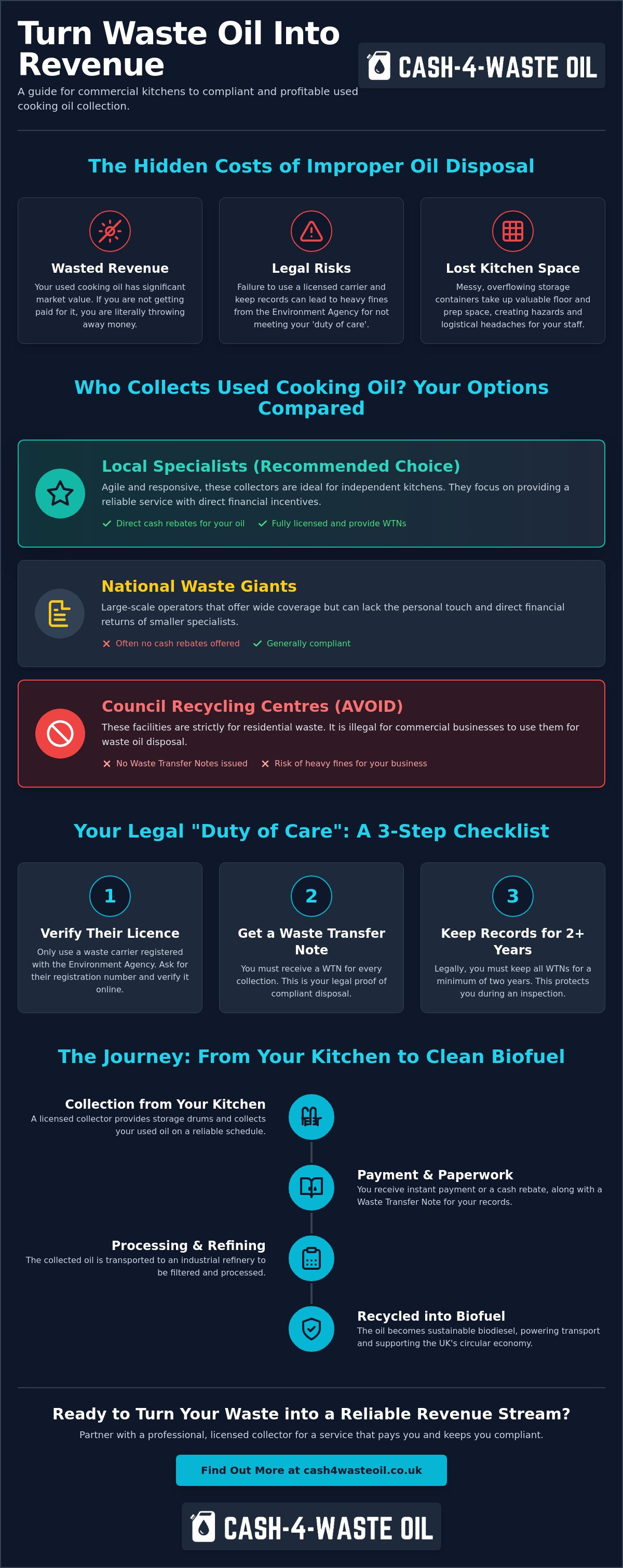
Professional waste oil collectors are licensed carriers who bridge the gap between your kitchen and the biofuel refinery. They don't just take away a mess; they manage a valuable commodity. When you ask who collects used cooking oil, you generally find three groups: national waste giants, local specialists, and local councils. Your choice here determines whether you get paid for your waste or end up paying for the privilege of disposal. It's a decision that directly affects your bottom line and your legal standing with the Environment Agency.
National firms offer scale but often lack the personal touch or immediate financial incentives that smaller businesses need. Local specialists focus on agility and direct cash payments, making them the preferred choice for busy independent kitchens. Councils, meanwhile, are strictly for residents and don't provide the service commercial kitchens require. Choosing a licensed partner ensures your kitchen stays compliant with the Environmental Protection Act 1990 whilst supporting the circular economy. Every litre collected is repurposed, turning old frying fat into sustainable biodiesel that powers transport networks across the UK.
The Difference Between a Collector and a Recycler
Collectors handle the heavy lifting. They provide the storage drums, manage the collection schedules, and issue the essential legal paperwork. Recyclers, or refineries, are the industrial plants that process the oil. To understand the full journey, you can read about What is Used Cooking Oil (Yellow Grease)? and how it's rendered for industrial use. Choosing a collector with direct links to these refineries ensures you receive better rates. They cut out the middleman, passing that value back to your kitchen in the form of higher rebates and more reliable service.
Why Businesses Cannot Use Household Recycling Centres
It's tempting to drop off a few tubs at the local tip, but this is a legal minefield. Council recycling centres are funded for residential waste only. As a commercial operator, you have a legal "duty of care" to document exactly where your waste goes. This requires a Waste Transfer Note (WTN), which councils cannot provide for business activities. If you can't produce these notes during an inspection, you risk heavy fines.
Avoid the "man with a van" trap. Unlicensed collectors might offer to take your oil, but if they fly-tip it or dump it down a drain, the authorities will trace it back to you. Without a WTN from a registered carrier, you are legally responsible for the outcome. Professional who collects used cooking oil services provide the paper trail that keeps your business safe and your kitchen floor clear of clutter.
The Legal Essentials: Licences and Waste Transfer Notes
Legal compliance in a commercial kitchen isn't just about food hygiene. It extends to how you manage your waste stream. Under the Environmental Protection Act 1990, every business has a "duty of care" to ensure their waste is handled by a legitimate carrier. This means the question of who collects used cooking oil from your premises is a matter of legal liability. If your oil ends up fly-tipped or poured down a drain, the authorities won't just look for the collector; they'll look for the kitchen that produced it.
The UK's Legal Requirements for Used Cooking Oil are clear: you must use a waste carrier registered with the Environment Agency. Failure to comply can lead to unlimited fines or prosecution. Beyond the legal risk, improper disposal contributes to the formation of "fatbergs" in London's Victorian sewer system. These massive blockages of congealed fat and wet wipes cost millions to clear and cause devastating local flooding. By using a licensed partner, you ensure your kitchen waste becomes part of a sustainable fuel cycle rather than a structural hazard.
Environment Agency Registered Oil Collection
Before handing over a single drum, verify your collector's credentials. You can check the official Environment Agency register online to see if a company holds a current waste carrier's licence. A legitimate collector will always be happy to provide their registration number. Don't be tempted by "free" collections that offer no paperwork. These operators often lack the necessary insurance and legal standing, leaving your business exposed. If you need a reliable, professional waste oil collection service, ensuring they are fully registered is the first step toward peace of mind.
The WTN: Your Proof of Compliance
The Waste Transfer Note (WTN) is your shield against litigation. It is a legal document that tracks the transfer of waste from your kitchen to the collector. You are legally required to keep these records for at least two years. A valid WTN must include:
- A description of the waste (typically EWC code 20 01 25 for edible oil).
- The quantity and type of containers.
- The names and addresses of both parties.
- The collector's waste carrier licence number.
- The date and location of the transfer.
Modern collectors often provide digital WTNs, which are easier to store and retrieve during a surprise inspection. This level of transparency protects your reputation and proves you are operating a responsible, compliant kitchen. Professional collectors automate this paperwork, allowing you to focus on service whilst they handle the regulatory heavy lifting.
Commercial vs. Residential: Why Your Kitchen Needs a Specialist
Scaling up from home cooking to a commercial fry station isn't just about volume; it's about shifting from a "waste disposal" mindset to a "resource management" one. Households typically deal with 1-litre bottles that end up in council bring-banks. Commercial kitchens handle 20-litre drums or even bulk tanks. This scale is exactly why the question of who collects used cooking oil for businesses has a different answer than for residents. Commercial collectors operate on a "Cash for Oil" model. Whilst a resident might pay a fee at a local tip, a business owner receives a rebate because their volume has industrial value.
Compliance is the other major differentiator. Under the Environmental Protection Act 1990, businesses have a strict duty of care that doesn't apply to domestic waste. You need a specialist who understands the fast-paced hospitality sector. They provide the scheduled weekly or fortnightly pickups that keep your yard clear and your operations running. Relying on ad-hoc domestic drop-offs is impossible for a professional kitchen; you need a partner who integrates with your workflow.
Why We Don’t Collect from Households
Residential collections aren't viable for specialist commercial carriers. Navigating narrow residential streets for a single litre of oil isn't efficient or environmentally friendly. We focus our resources on the hospitality sector, including pubs, hotels, and takeaways. If you are a resident looking to dispose of frying fat, your best route is to use local council "bring banks" or household waste recycling centres. This ensures domestic oil is handled through the correct public channels whilst we serve the high-volume needs of the industry.
Specialist Equipment for Commercial Kitchens
Commercial environments require heavy-duty storage. We provide leak-proof blue drums and bulk tanks designed to withstand the rigours of a busy kitchen yard. This equipment prevents spills that attract pests and cause slip hazards. A professional service ensures a "Mess-Free" experience, keeping your premises clean and compliant. For larger establishments, check our guide on Hotel Waste Oil Collection London: Professional Service & Cash Rebates 2026 to see how we handle high-capacity requirements. Using the right who collects used cooking oil specialist means you get the right bins for the job, not just a van in the car park.
Maximising Value: Free Collection vs. Cash Rebates
Used cooking oil is no longer a waste product; it's a global commodity. The growing demand for sustainable aviation fuel and biodiesel has transformed how kitchens manage their fryers. Finding a reliable partner who collects used cooking oil should result in a payment to you, not an invoice for disposal. Because biodiesel produced from this waste can reduce greenhouse gas emissions by up to 89% compared to fossil diesel, collectors are willing to pay for your "yellow grease."
Market values for used oil fluctuate based on global biofuel demand and the price of crude oil. However, the rule for commercial kitchens remains constant: you should never pay for collection. If a service provider asks for a fee to remove your vegetable oil, they are likely taking advantage of your lack of market knowledge. Professional collectors operate on a rebate model, where the value of the oil covers the logistics and leaves a surplus to be paid back to the kitchen. This turns a messy chore into a predictable revenue stream that helps offset your rising ingredient costs.
How Cash Rebates Work
The most transparent way to manage this process is through a "cash on the spot" or "pay as you collect" model. This avoids the complexity of monthly invoicing or delayed bank transfers. When the driver arrives, they measure the volume of oil collected and provide an immediate rebate based on current market rates. This approach ensures you get paid for exactly what you produce. It's an efficient way to boost your kitchen's petty cash or bottom line without any administrative burden. If you want to start earning from your waste today, you can get a quote for cash payments and see how much your oil is worth.
Purity Matters: Getting the Best Rate
To secure the highest possible rebate, you must focus on the quality of the oil you provide. Collectors look for "clean" oil that is free from contaminants. Vegetable-based oils, such as rapeseed or sunflower oil, are far more valuable for biodiesel production than animal fats like lard or beef dripping. High purity is achieved by ensuring the oil is free from water and sediment through effective filtration during the transfer to storage containers.
Water is the biggest enemy of oil value. It increases the weight but provides zero value to the refinery, often leading to a lower payout. Keep your storage drums tightly sealed and stored under cover to prevent rainwater ingress. Similarly, avoid allowing heavy food debris to settle at the bottom of your containers. By maintaining a clean waste stream, you ensure your kitchen remains a favourite stop for collectors, guaranteeing the best possible rates and a reliable collection schedule.
Partnering with Cash 4 Waste Oil in London, Kent, and Surrey
Choosing who collects used cooking oil from your kitchen shouldn't be a gamble. At Cash 4 Waste Oil, we specialise in serving the hospitality sector across London, Surrey, and Kent. We provide a "no-nonsense" approach that removes the logistical burden from your shoulders. Our team is fully registered with the Environment Agency, ensuring every drop of oil we collect is tracked with a valid Waste Transfer Note. We handle the heavy lifting, the mess, and the paperwork. This allows you to focus on your customers whilst we turn your waste into cash.
We believe in transparency and reliability. You don't have to worry about storage containers taking up valuable space for weeks on end. We stick to our schedules and provide immediate financial returns for your kitchen waste. It's a pragmatic business decision that benefits your bottom line whilst fulfilling your legal obligations. Our service is designed for the fast-paced nature of the industry, where time is money and compliance is non-negotiable.
Reliable Service for London and the Home Counties
Operating a kitchen in central London presents unique challenges. Navigating the narrow streets of Soho or the busy markets of Camden requires local knowledge and precision. National call centres often fail to understand these regional nuances, leading to missed collections and overflowing drums. We offer flexible scheduling that avoids your peak service hours. Our drivers know the routes and the restrictions, ensuring a seamless experience that keeps your yard clear. Choosing a regional partner means you get a responsive service that understands the pace of the South East hospitality scene.
The Environmental Impact of Your Choice
Your decision to recycle professionally has a direct impact on the UK's green energy goals. The oil we collect from your fryers powers the production of biodiesel, a sustainable fuel source that significantly reduces greenhouse gas emissions. Research shows that biodiesel produced from used cooking oil can reduce greenhouse gas emissions by approximately 88-89% compared to fossil diesel. This isn't just about waste; it's about supporting a circular economy right here in the South East.
Booking your first collection is a straightforward process. We provide the storage containers and set a schedule that suits your oil volume. There are no hidden fees or complex contracts. You receive a fair rebate for your oil and the peace of mind that comes with total legal compliance. Start earning from your kitchen waste today by partnering with a local expert that values your time and your business. Contact us to arrange your first pickup and join hundreds of other restaurants in making waste work for their bottom line.
Turn Your Kitchen Waste into a Reliable Revenue Stream
Managing used cooking oil shouldn't be a logistical burden that eats into your time or floor space. By choosing a licensed partner, you ensure your kitchen remains fully compliant with UK waste regulations whilst securing essential Waste Transfer Notes. Professional collection transforms a messy chore into a streamlined process that actually pays you for your waste. When you decide who collects used cooking oil for your business, you should prioritise a partner that offers both legal security and immediate financial returns.
Cash 4 Waste Oil provides a hassle-free solution across London, Kent, and Surrey. We are a fully Environment Agency Registered waste carrier; you can trust us to handle your documentation and disposal with total transparency. We offer cash paid on the spot, ensuring you see the value of your waste immediately without waiting for bank transfers or complex invoices. Stop letting old oil clutter your prep areas and start benefiting from a more efficient, profitable waste management strategy.
Ready to clear your kitchen and boost your bottom line? Book your free collection and get cash for your oil today. We are ready to help you manage your waste responsibly and profitably.
Frequently Asked Questions
Is it illegal to put used cooking oil down the sink?
Yes, it's illegal for commercial kitchens to pour fats, oils, or grease down the drain. Under the Water Industry Act 1991, businesses must ensure that no matter likely to interfere with the free flow of the sewer enters the pipes. Failure to comply leads to sewer blockages known as fatbergs, which can result in heavy fines, prosecution, and the cost of clearing the blockage being charged back to your business.
How much oil do I need for a free collection?
Most professional collectors require a minimum volume, typically around 100 litres, to qualify for a free collection service. This volume ensures that the transport and processing costs are covered by the value of the oil. If your kitchen produces less than this, we can often arrange a less frequent schedule to ensure you still benefit from a cost-free disposal service whilst remaining compliant.
Do you collect oil from private houses or flats?
No, we don't offer residential collection for private houses or flats. Our logistics and equipment are specifically designed for the high-volume needs of the commercial hospitality and catering sectors. Residents looking for who collects used cooking oil at a domestic level should contact their local council or visit a household waste recycling centre where dedicated "bring banks" are available.
What happens to the oil once it is collected from my restaurant?
Your waste oil is transported to a specialist refinery where it undergoes a purification and rendering process. It is then converted into sustainable biodiesel or sustainable aviation fuel (SAF). This process turns a hazardous waste product into a valuable green energy source, reducing greenhouse gas emissions by approximately 88% compared to traditional fossil fuels.
Do I need a Waste Transfer Note for every single collection?
Yes, you must receive a Waste Transfer Note (WTN) for every single collection of waste oil from your premises. This is a non-negotiable legal requirement under the Environmental Protection Act 1990. These documents provide a clear audit trail of your waste's journey, and you are legally required to store these records for a minimum of two years for inspection by local authorities.
Can you collect oil that has been mixed with water or food waste?
We cannot collect oil that has been heavily contaminated with water, chemicals, or excessive food debris. Refineries require a high level of purity to produce high-quality biofuel. Whilst small amounts of sediment are expected, keeping your oil as clean as possible ensures it remains recyclable and guarantees you receive the best cash rebate for your kitchen waste.
What areas of London and Kent do you cover for oil collection?
We provide a comprehensive collection service across all London boroughs, as well as Kent and Surrey. Our team is experienced in navigating the specific logistical challenges of central London, including Soho, Camden, and the City. Whether you're an independent cafe in Tunbridge Wells or a large hotel in Westminster, we can provide a reliable, scheduled service tailored to your location.
Do you provide the storage containers for the waste oil?
Yes, we provide the necessary storage containers to keep your kitchen yard clean and safe. We supply high-quality, leak-proof blue drums or bulk tanks depending on your oil output. During every scheduled collection, we swap your full containers for clean, empty ones, ensuring you always have a secure place to store your waste without the risk of spills or pest issues.