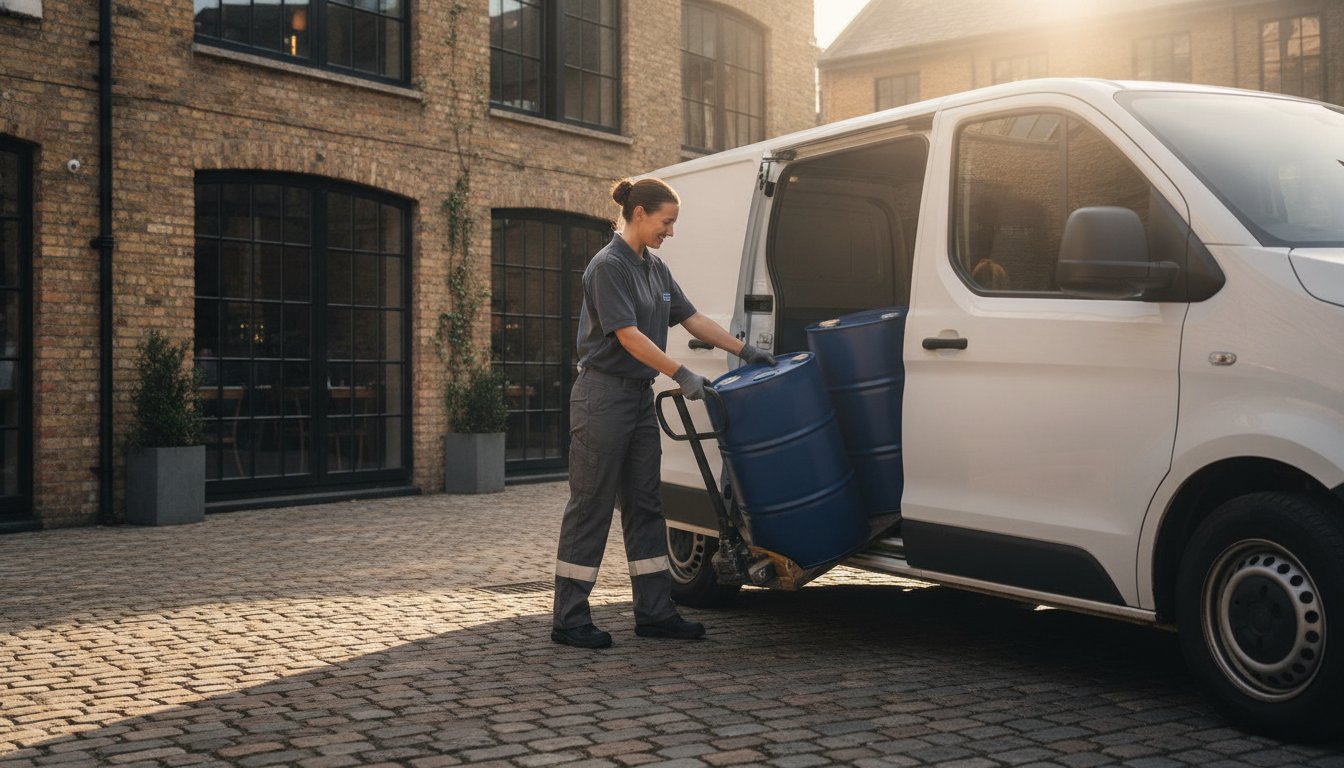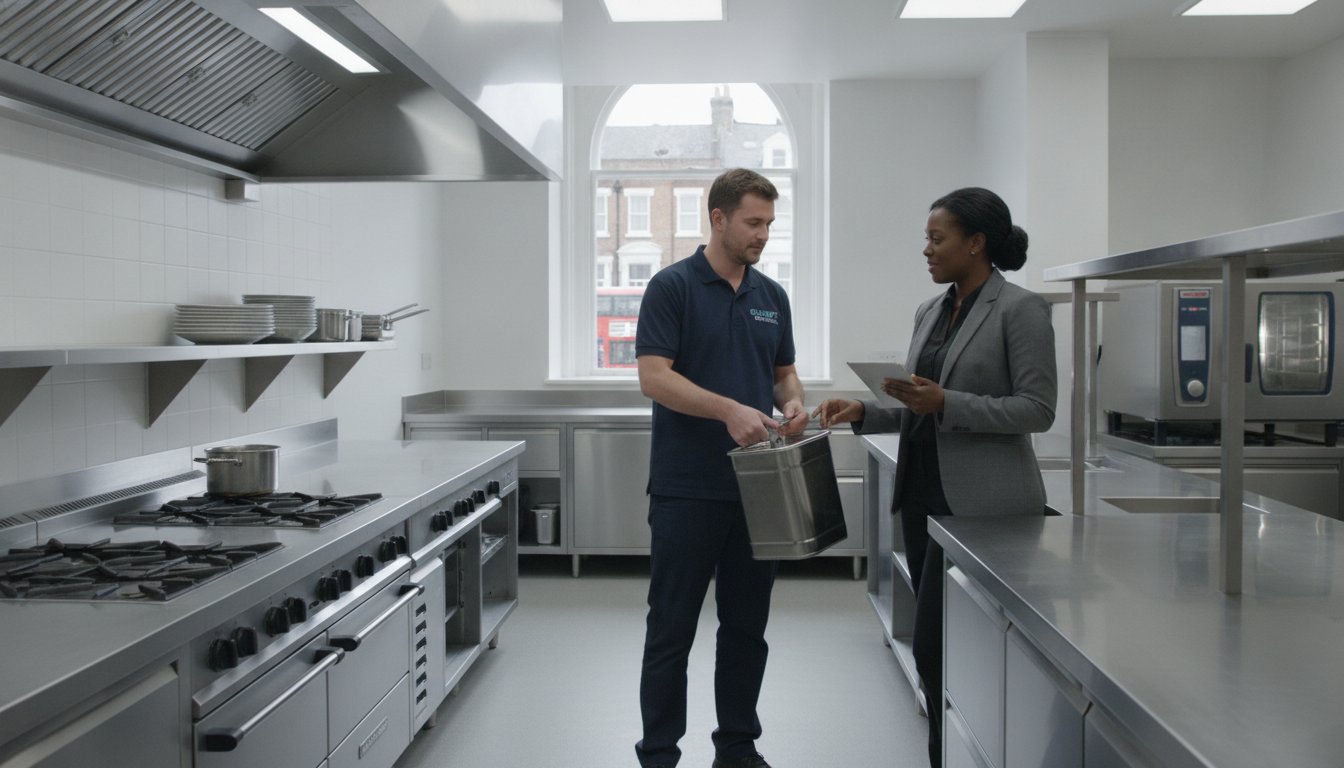
Is your used cooking oil a liability or a hidden asset? For many restaurant owners, it is currently taking up valuable floor space whilst risking a heavy fine from the Environment Agency. You already know the struggle of managing a cramped North London kitchen where every square inch counts. Dealing with unreliable collectors and messy paperwork is a distraction you don't need. This guide shows you how to streamline your waste oil collection Islington process, turning that greasy headache into instant cash whilst hitting every regulatory mark.
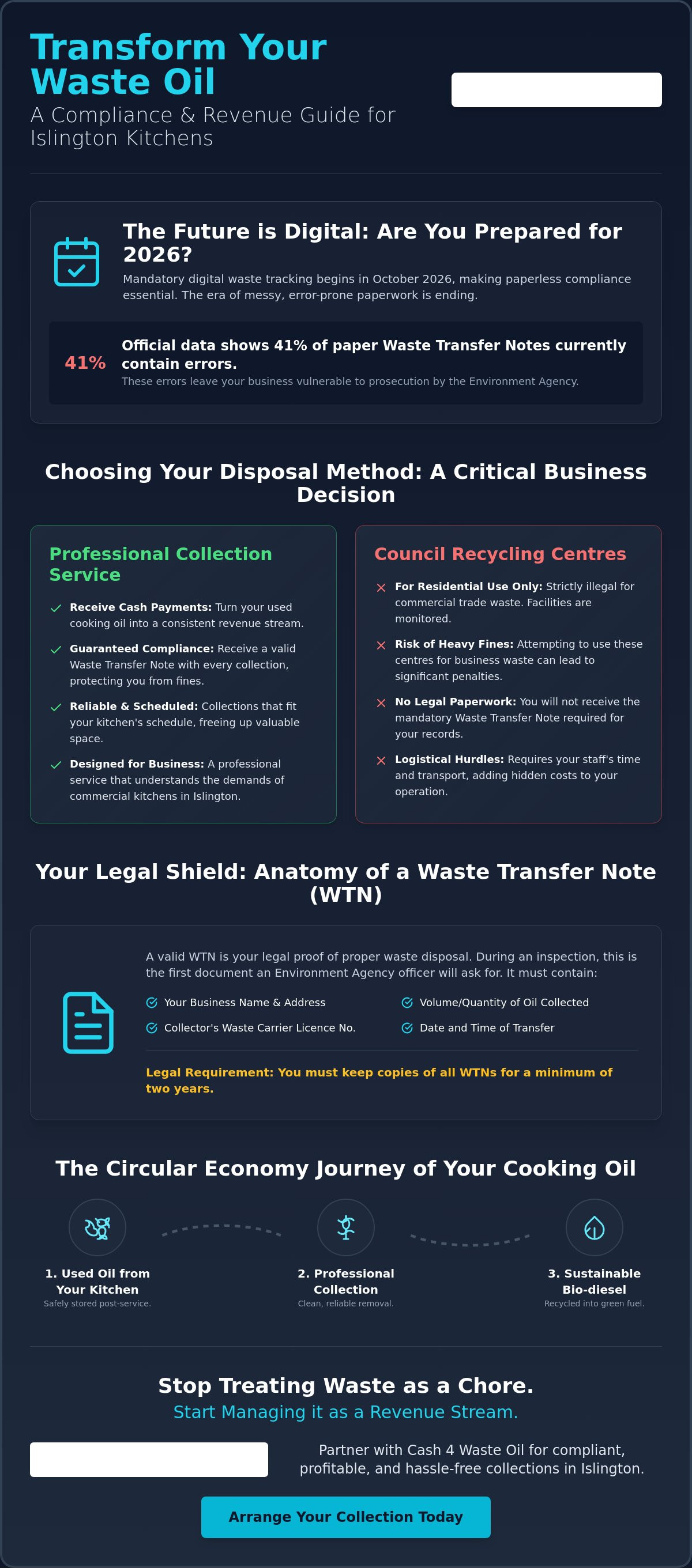
With mandatory digital waste tracking arriving in October 2026, the era of messy paper trails is ending. Official data shows that 41% of paper Waste Transfer Notes currently contain errors, leaving businesses vulnerable to prosecution. You need a system that works as fast as your chefs do. We will walk you through the upcoming legal shifts, explain how to secure cash payments for your used oil, and show you how to build a collection schedule that actually sticks. It's time to stop treating your waste as a chore and start managing it as a revenue stream.
Key Takeaways
- Transform your kitchen's used cooking oil into a consistent revenue stream whilst maintaining total legal compliance.
- Secure a reliable waste oil collection Islington schedule to meet the new mandatory digital tracking standards arriving in 2026.
- Compare the benefits of private collection rebates against the logistical hurdles and costs of using council-run disposal centres.
- Implement expert storage techniques to maximise kitchen space and prevent hazardous spills or oil contamination.
- Protect your business from heavy fines by ensuring every collection is backed by a professional Waste Transfer Note.
Waste Oil Collection in Islington: Commercial Compliance and Efficiency
Professional kitchens in N1 and EC1 operate at a relentless pace. Managing used cooking oil shouldn't slow you down. Commercial waste oil collection Islington is a specialised logistical service designed specifically for the hospitality sector. It involves the safe removal of used vegetable oils and fats from your premises, ensuring they never enter the drainage system or end up in a landfill. Instead, this waste becomes a valuable resource. Through the rendering and recycling of waste cooking oil, your kitchen leftovers are processed into sustainable bio-diesel feedstock. This isn't just a cleaning task; it's an essential part of the modern circular economy.
The Islington Hospitality Landscape
Islington boasts one of the highest densities of commercial kitchens in London. From the bustling bistros of Upper Street to the late-night eateries near Angel, space is at a premium. Most North London premises are compact, often lacking the external yard space found in suburban sites. You can't afford to have dozens of oil drums cluttering your prep area or fire exits. This storage bottleneck makes frequent, scheduled collections a necessity rather than a luxury. Reliability is the priority here. If a collector misses a window in the narrow streets of EC1, it creates a backlog that disrupts your entire service. You need a partner who understands the local traffic restrictions and the urgent need for space.
Why "Free" Council Disposal Isn’t for Businesses
It's a common misconception that council recycling centres are a viable option for trade waste. Islington Council provides excellent hazardous waste services for residents, but these do not extend to commercial entities. There is a strict legal distinction between household waste and the volume produced by a busy restaurant. By law, all businesses must use a registered waste carrier to dispose of their used cooking oil. Attempting to use the Hornsey Street Reuse and Recycling Centre for trade waste is a mistake that could lead to significant fines. The council's facilities are monitored, and they will turn away commercial vehicles. Professional kitchens require a dedicated waste oil collection Islington service that provides the necessary documentation to prove compliance during local authority inspections.
Navigating Waste Regulations: Why Your Kitchen Needs a Waste Transfer Note
Compliance is a non-negotiable part of running a food business in North London. The Environment Agency (EA) monitors how businesses handle their byproducts, and the rules are getting stricter. If you are arranging a waste oil collection Islington, you aren't just clearing out a cupboard; you are fulfilling a legal duty of care. Failing to produce the correct paperwork during a spot check can result in heavy fines or even criminal prosecution. Professional collection ensures your business stays on the right side of the law whilst protecting the local environment.
Environment Agency Compliance in North London
All food businesses in Islington must adhere to strict commercial kitchen waste regulations. This Duty of Care means you are responsible for your waste from the moment it's produced until its final disposal. Pouring fats, oils, and grease (FOG) down the London sewer system is illegal. It leads to fatbergs that cripple the city's infrastructure and attracts massive penalties from Thames Water. To stay ahead of the curve, you should familiarise yourself with the Commercial Cooking Oil Waste Regulations UK 2026. Using an unlicensed collector might seem like a quick fix, but if they fly-tip your oil, the legal liability rests squarely on your shoulders. Authorities can trace the waste back to your kitchen, leading to reputational and financial ruin.
The Anatomy of a Valid Waste Transfer Note
A Waste Transfer Note (WTN) is your legal shield. It proves that a registered waste carrier collected your oil and intends to process it correctly. For a WTN to be valid, it must include specific details: your business address, the collector's waste carrier licence number, the volume of oil, and the date of transfer. You are legally required to keep these documents for at least two years. Missing records are a red flag for inspectors. Cash 4 Waste Oil provides a fully compliant WTN on every single visit, ensuring your filing remains audit-ready. This transition to professional documentation is vital as the UK moves toward mandatory digital waste tracking in late 2026.
Professional waste oil collection Islington simplifies your administrative burden. Instead of chasing paperwork or worrying about the next inspection, you can focus on your service. If you want to ensure your kitchen stays compliant without the stress, it's worth scheduling a professional collection today. This proactive approach saves time and protects your bottom line from unexpected regulatory costs.
Comparing Disposal Options: Private Collectors vs. Council Centres
Choosing how to manage your kitchen’s byproducts often comes down to a choice between two models: the DIY drop-off or the professional pickup. For a busy landlord or restaurant manager, the "drop-off" model is rarely viable. It requires you to load heavy, greasy containers into a vehicle and navigate through North London traffic to a recycling centre. Conversely, a dedicated waste oil collection Islington service brings the solution to your doorstep. This shift from a logistical chore to a managed service allows your team to focus on food service rather than waste management.
The financial contrast is just as sharp. Local council centres are designed primarily for residents. When they do accept commercial waste, they typically charge a fee for the privilege. In contrast, private collectors operate on a rebate model. Instead of paying to get rid of your used cooking oil, you receive a cash payment based on the volume collected. This turns a traditional business cost into a consistent revenue stream. Environmentally, both routes aim for recycling, but private collectors often have more direct pipelines into biodiesel production, ensuring a lower carbon footprint for every litre processed.
Private Collection: The Profitable Choice
The "Cash for Oil" model is a straightforward way to bolster your bottom line. Every litre of used oil has a market value, and professional collectors pass a portion of that value back to you. Efficiency is the core of this service. Unlike council centres that operate on rigid, often inconvenient booking slots, private collectors work around your schedule. We organise pickups to suit your kitchen’s quiet periods, avoiding the chaos of the lunch or dinner rush. This flexibility ensures that waste oil collection Islington never interferes with your customer experience or kitchen workflow.
The Local Logistics of N1 and EC1
Transporting bulk liquids through the narrow streets of Angel or the heavy traffic of the A1 is a recipe for disaster. One loose lid can lead to a costly, hazardous spill in your vehicle or on the road. Professional collectors use specialised equipment designed for the high-footfall environments of Upper Street and the surrounding areas. Best practices for storing waste oil dictate that containers must be secure and easy to access for collection teams. A local partner understands the specific access restrictions of Islington’s backstreets and ensures a clean, mess-free transfer every time. This precision is vital for maintaining the hygiene standards and professional image your business depends on.
Best Practices for Storing and Organising Waste Oil in Islington
Efficiency in an Islington kitchen begins with organisation. Space is your most expensive asset in N1, so storing used oil haphazardly leads to accidents and slows down your cleaning rotation. Implementing a "Blue Barrel" system is the industry standard for keeping high-volume kitchens tidy. These leak-proof, food-grade drums are designed to fit into tight corners whilst providing a secure seal against odours and spills. When you arrange your waste oil collection Islington, having your oil organised in these specific containers makes the transfer process fast and professional.
Follow this checklist to ensure your storage area remains safe and audit-ready:
- Designate a "clean" zone away from food prep and heat sources.
- Use 60-litre or 120-litre blue barrels with tight-fitting lids.
- Keep containers on a flat, stable surface to prevent tipping.
- Never mix used cooking oil with water, detergents, or chemical cleaners.
- Ensure the collection area is easily accessible for the driver.
Preventing Drain Blockages and Fines
Pouring even small amounts of grease down the sink is a costly mistake. In London, fatbergs are a massive infrastructure problem, costing millions to clear every year. If Thames Water traces a blockage back to your pipes, the fines are substantial. You are legally required to trap and store your oil properly. For a deeper dive into maintaining a clean setup, read our guide on Used Fryer Oil Collection: Tips for Mess-Free Storage. Keeping grease out of the drains isn't just about the environment; it's about protecting your business from avoidable repair bills and legal action.
Maximising the Quality of Your Waste Oil
The value of your waste depends on its purity. Clean oil fetches a higher rebate because it requires less intensive processing to become biofuel. To maximise your cash payment, filter out large food particles before pouring the oil into your storage barrels. This simple step prevents the oil from going rancid and keeps the "yellow grease" at a premium grade. In urban areas like Islington, securing lids is also a practical necessity. Open containers attract pests and can lead to hygiene violations during a surprise inspection. Keeping your lids tight ensures your waste oil collection Islington remains a clean, profitable transaction. If you're ready to clear out your storage area and get paid, book your Islington oil collection now.
Cash 4 Waste Oil: Your Local Partner for Islington Oil Recovery
Managing a commercial kitchen in North London requires a partner who understands the local pace. We position ourselves as the pragmatic choice for hospitality businesses that value efficiency over empty promises. Our waste oil collection Islington service is designed to remove the logistical burden from your shoulders whilst adding to your bottom line. We don't just take your waste; we buy it. By choosing a specialist collector, you ensure that your used cooking oil is handled with the professional rigour your business demands.
The core of our service is simplicity. We provide cash on the spot for your used oil, turning a disposal task into an immediate financial gain. Alongside this payment, we issue a professional Waste Transfer Note (WTN) during every visit. This documentation is your proof of compliance, ready for any local authority inspection. You get paid, you stay legal, and your kitchen stays clear. It's a straightforward transaction built for the fast-moving food industry in N1 and EC1.
Why Islington Businesses Trust Us
Our reputation in North London is built on a hassle-free approach. We know that Islington's streets are narrow and the traffic is unpredictable. Our drivers possess extensive local knowledge, allowing them to navigate the specific access restrictions around Angel and Upper Street without disrupting your service. We operate as an Environment Agency-registered carrier, providing the peace of mind that comes with total transparency. You aren't dealing with a distant corporate entity; you're working with a local partner that values your time and your space. We show up when we say we will, pay you fairly, and handle the paperwork on the fly.
The Environmental Impact of Your Choice
Choosing a professional recovery service means your kitchen directly contributes to the circular economy. We take the "yellow grease" from your fryers and ensure it's processed into high-quality, sustainable biodiesel. This process significantly reduces the carbon footprint of your restaurant compared to traditional waste disposal methods. It's a smart business decision that yields a positive environmental byproduct. You help power the next generation of renewable fuels whilst keeping London's sewers free from hazardous fatbergs. It's time to professionalise your oil management and reap the rewards of a cleaner, more profitable kitchen. Book your free waste oil collection in Islington today and see how easy compliance can be.
Maximise Your Kitchen Efficiency and Profit
Managing used cooking oil doesn't have to be a drain on your time or floor space. By switching from council-led disposal to a professional collection model, you turn a logistical burden into a reliable revenue stream. You now understand how proper storage and the right paperwork protect your business from heavy fines whilst supporting the circular economy. It is a smart business move that benefits both your bottom line and the local Islington environment.
Ensuring your waste oil collection Islington is handled by experts means you stay ahead of the 2026 digital tracking requirements without the administrative stress. We provide a service that is fully Environment Agency Registered, ensuring your compliance is never in question. With free Waste Transfer Notes provided on every visit and cash paid on the spot, the choice for your North London restaurant is simple. You can stop worrying about storage bottlenecks and start focusing on delivering an exceptional dining experience.
Get cash for your waste oil and book your Islington collection now. Take the first step toward a cleaner, more profitable kitchen today.
Frequently Asked Questions
Is waste oil collection in Islington really free for my restaurant?
Yes, our collection service is provided at no cost to your business. We operate on a rebate model, meaning we actually pay you for the used cooking oil we remove. This approach turns a traditional waste management chore into a profitable revenue stream for your kitchen.
How much cash can I get for my used cooking oil?
The amount of cash you receive depends on the volume and quality of the oil collected. We pay competitive market rates based on the current value of used cooking oil as a biofuel feedstock. Payments are made on the spot, ensuring you receive immediate financial benefit from every litre you recycle.
Do you provide a Waste Transfer Note for every collection?
We provide a fully compliant Waste Transfer Note (WTN) for every single collection we perform. This documentation is a legal requirement under the Environmental Protection Act 1990 and is essential for your Environment Agency audits. You must keep these records for at least two years to prove your business handles waste responsibly.
Can I schedule a regular weekly collection for my Islington pub?
We offer flexible scheduling to suit the high-volume needs of pubs and restaurants across North London. Whether you require a weekly, fortnightly, or monthly waste oil collection Islington, we can establish a reliable routine. This helps you manage limited storage space in busy N1 or EC1 premises without the risk of overflows.
What types of cooking oil do you collect from commercial kitchens?
We collect all standard vegetable-based cooking oils used in the hospitality sector. This includes rapeseed, sunflower, soy, and corn oils commonly found in deep fat fryers. Please ensure the oil is not contaminated with water, detergents, or mineral oils, as this ruins its value for biodiesel production.
Is there a minimum volume required for an oil pickup in Islington?
We typically require a minimum of 20 litres of used oil to arrange a scheduled collection. This volume ensures the pickup is logistically viable and allows us to maintain an efficient service route through Islington's busy streets. If you produce smaller amounts, contact us to discuss a bespoke collection frequency.
What happens to the oil after it is collected from my N1 business?
Once collected, your used oil is transported to a licensed refinery for rendering and recycling. It is filtered and processed into sustainable biodiesel, which is a renewable alternative to fossil fuels. This process directly supports the circular economy and prevents hazardous fats from entering the London sewer system.
How do I prepare my waste oil for a mess-free collection?
Filter out large food debris whilst the oil is still warm but safe to handle, then allow it to cool completely. Store the cooled oil in sealed, leak-proof containers like blue barrels to prevent spills. Keeping your waste oil collection Islington area clear of obstructions ensures our drivers can perform a fast and clean transfer during every visit.